
• Home
  • Hygiene
  • Water
  • Sustainability

Running RO Plants the Right Way
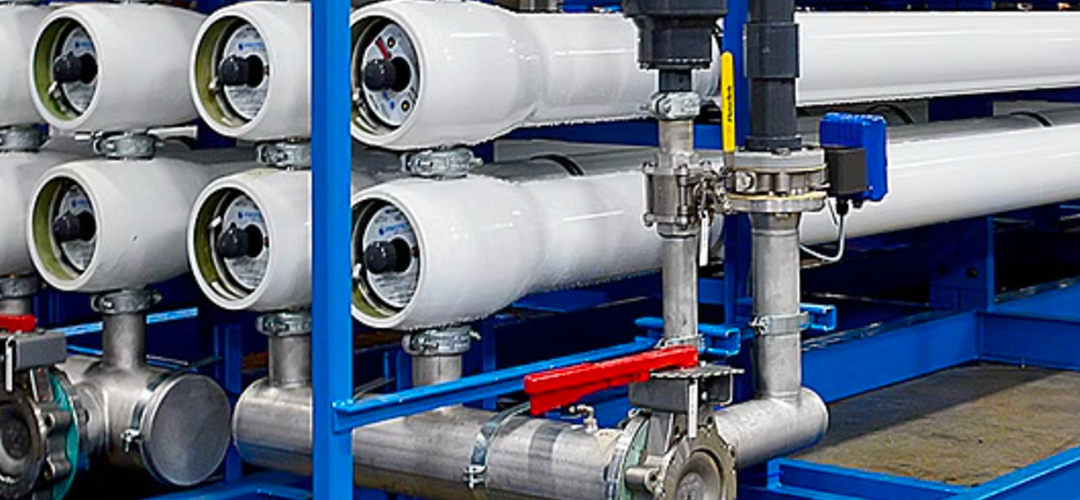
Extending asset life and preventing costly downtime in industrial and commercial facilities through disciplined operation and smart monitoring.

Why RO Plant Performance Matters to Your Bottom Line

Reverse Osmosis (RO) plants are mission-critical assets across industrial and commercial sectors. From manufacturing lines and HVAC make-up water to hospital sterilization units, central kitchens, and commercial buildings  consistent RO output is essential for both operational continuity and water quality compliance.

However, RO systems are inherently sensitive equipment. Even small variations in water quality or operating conditions can trigger membrane fouling, scaling deposits, or pump failures. The result is expensive unplanned downtime, process disruption across your facility, and premature capital expenditure on replacement equipment.

The good news: With disciplined operation, robust water treatment protocols, and real-time visibility into system performance, RO plants can run reliably for years with predictable, consistent performance that protects your operational continuity.

10-15%

Typical DP Rise

Early warning sign of membrane fouling requiring intervention

10-15%

Typical DP Rise

Early warning sign of membrane fouling requiring intervention

Strong Pre-Treatment: Your First Line of Defense

In industrial and commercial operations, incoming water quality can vary dramatically on a daily basis municipal supply changes, borewell
fluctuations, seasonal shifts, construction dust contamination, or pipeline corrosion. If your pre-treatment system is not robust and properly
maintained, your expensive RO membranes will foul rapidly, leading to performance degradation and costly replacements.

Multi-Media Filters (MMF)

Remove suspended solids, turbidity, and particulate matter that can damage downstream equipment

Activated Carbon Filters (ACF)

Critical for chlorine removal  protects membranes from oxidative damage

Softener or Antiscalant

Prevents hardness scaling from calcium and magnesium deposits

Cartridge Filters (1-5µ)

Final defense barrier before RO membranes

Iron & Manganese Control

Essential for borewell-based systems to prevent fouling
Commercial Sector Examples: Hotels and hospitals rely heavily on ACF + softeners before RO. QSR chains and central kitchens depend on consistent cartridge-filter management. A strong pre-treatment line is the single biggest factor in membrane life extension.

Monitor Critical RO Parameters Daily

Industrial-scale RO plants run long hours under heavy load conditions. Commercial plants experience peak-time surges that stress equipment. Both operating environments require tight operational control and continuous monitoring to catch problems before they become failures.
Manual daily checks combined with automated monitoring systems provide the visibility needed to maintain optimal performance and prevent unexpected downtime that disrupts operations.

Feed TDS & Conductivity

Feed fluctuations directly affect permeate quality and create membrane stress. Track trends to anticipate problems.

Differential Pressure (DP)

The most important fouling indicator. A DP rise of 10-15% signals early fouling. A sudden jump indicates blockage or channeling.

Permeate Flow Rate

A drop in flow indicates fouling, scaling, or pump performance issues requiring immediate attention.

Permeate Conductivity

Increasing conductivity signals membrane degradation and salt passage problems.

Recovery Rate

High recovery increases scaling risk especially in industries with high TDS or silica content in feed water.

Implement a Scheduled CIP Program

Many industrial facilities make a critical mistake: waiting until performance drops sharply before cleaning membranes. This reactive approach permanently damages membrane structure and significantly reduces asset life. Clean-In-Place (CIP) procedures should be proactive, not reactive, scheduled based on performance indicators rather than calendar dates alone.

Feed TDS & Conductivity

Fouling Types Addressed

Proactive CIP scheduling significantly increases membrane lifespan and reduces operational disruptions, protecting your capital investment and maintaining consistent water quality.

Critical Operating Limits: Recovery, Chlorine, and Pressure

Avoid High-Recovery Operation

Many facilities push RO recovery above recommended values to “save water.” This is the fastest way to damage membranes permanently. Commercial RO should operate at 50-75% recovery; Industrial RO at 60-80% depending on pre-treatment and antiscalant program. Over-recovery leads to scaling, then irreversible membrane damage, then expensive replacements.

Ensure Zero Chlorine Leakage

Chlorine destroys RO membranes rapidly. Industrial and commercial sites often face unpredictable chlorine levels due to municipal variations or manual dosing errors. Maintain ACF health through scheduled backwashing, dose SMBS consistently, check chlorine residuals before RO feed, and use online chlorine monitoring where possible. One chlorine breakthrough can wipe out an entire membrane array.

Protect from Pressure Shocks

Industrial environments face power fluctuations, pump trips, sudden feedwater shortage, and valve malfunctions. These conditions damage membranes, high-pressure pumps, Orings, and housings. Install low-pressure cut-off, high-pressure safety, flow interlocks, auto-flush sequences, and VFD soft start on pumps to reduce wear and prevent catastrophic failures.

Hygiene and System Cleanliness

Commercial RO systems in hotels, QSRs, and hospitals face significant microbiological risks due to water stagnation in tanks and distribution pipelines. Industrial systems face different fouling challenges from lubricants, metal fines, and process chemicals that can contaminate the water treatment system.
Maintaining a clean, hygienic system is not optional it directly impacts membrane health, water quality, and system longevity. Contamination that enters the system can rapidly foul membranes and create conditions for biofilm formation.

Regular Disinfection

Disinfect storage tanks and distribution lines on a scheduled basis to prevent microbial growth

Cartridge Replacement

Replace pre-filter cartridges on schedule, not just when pressure drop becomes excessive

Dosing Line Maintenance

Sanitize chemical dosing lines regularly to prevent contamination and ensure accurate dosing

Biofilm Inspection

Check for biofilm formation in tanks, pipelines, and membrane housings during maintenance

Tank Integrity

Maintain tank lids, vents, and overflows to prevent external contamination from entering the system
Remember: Hygiene equals membrane health. A clean system operates more efficiently, requires less chemical cleaning, and delivers consistent water quality.

Real-Time Monitoring for Predictive Maintenance

Manual logs and daily checks cannot detect slow performance trends that indicate developing problems. Real-time monitoring with intelligent analytics transforms RO management from reactive firefighting to predictive maintenance that prevents downtime before it happens.

Trend Analysis

Track DP trends over time, flow rate variation, and conductivity patterns to spot problems early

Chemical Dosing

Monitor SMBS and antiscalant dosage accuracy to ensure proper membrane protection

Smart Alerts

Receive deviation warnings and performance alerts before problems cause downtime

Performance Scoring

Get optimization insights, compliance logs, and efficiency scoring for continuous improvement
HNW Smart Plant converts live operational data into actionable insights with alerts, deviation warnings, optimization recommendations, performance scoring, and compliance logs preventing downtime before it happens.

Operator Training and Preventive Maintenance

Train Operators Properly

Operator skill varies widely across factories, hotels, and QSR chains. Proper training is often the missing piece that separates reliable operations from chronic problems. RO operators must understand what differential pressure means, why recovery should not exceed design limits, how to recognize scaling versus fouling, when to initiate CIP procedures, how to maintain stable chemical dosing, and how to start and stop an RO system safely.
Result: Competent operators equal longer membrane life plus lower operating expenses.

Structured Maintenance Plans

running

Industrial RO systems require:

Commercial RO systems require:

A structured preventive and predictive maintenance plan dramatically reduces emergency failures and associated costs.

Building Resilient, Long-Lasting RO Operations

Cost Reduction

Lower operating costs through optimized performance

Extended Life

Significantly longer membrane and pump lifespan

Uptime Improvement

Avoid unexpected breakdowns and production disruption

Industrial and commercial RO plants achieve maximum asset life when they are protected with robust pre-treatment systems, operated within
design parameters, cleaned at optimal intervals based on performance data, safeguarded from chlorine exposure, pressure shocks, and voltage
fluctuations, monitored continuously through real-time data analytics, operated by properly trained personnel, and supported with structured
preventive and predictive maintenance programs.

By following these proven practices, facilities can significantly extend membrane and pump life, reduce operating costs, avoid unexpected
breakdowns, and minimize capital expenditure on premature replacements.

With HNW’s RO treatment chemistry, engineered systems, and Smart Plant monitoring platform, industrial and commercial operations don’t
just run RO plants  they run efficient, resilient, and long-lasting water treatment systems that protect operations and deliver consistent water
quality.

Share:
Scroll to Top