


Seasonal Influenza Awareness
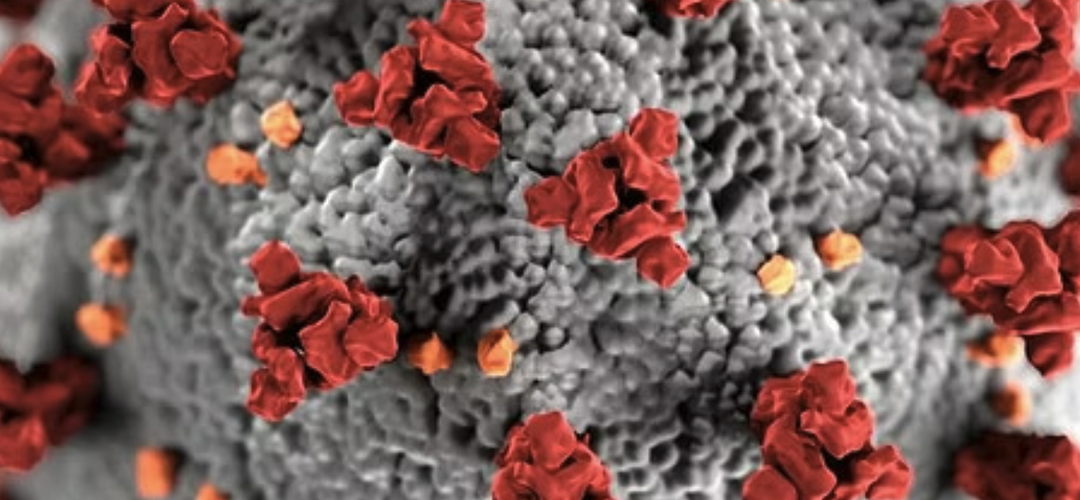
Understanding seasonal influenza is essential for protecting yourself, your family,
and your community. This presentation provides evidence-based guidance on
recognizing symptoms, identifying risk factors, and implementing effective
prevention strategies. The information presented here is grounded in
recommendations from the European Centre for Disease Prevention and Control
(ECDC) and reflects current best practices in public health communication.
Recognizing the Symptoms Early
Seasonal influenza typically announces itself suddenly, distinguishing it from the gradual onset of a common cold. Early recognition of
symptoms enables timely intervention and helps prevent transmission to others. Understanding these warning signs empowers you to take
appropriate action and seek medical care when necessary.
Sudden High Fever
Temperature often rises rapidly to 100°F (38°C) or higher,
accompanied by chills and sweating. This abrupt fever spike is one of
influenza’s hallmark characteristics.
Respiratory Symptoms
A dry, persistent cough develops early, along with sore throat and
nasal congestion. These respiratory symptoms can persist even after
other symptoms resolve.
Body Aches & Fatigue
Widespread muscle aches, severe fatigue, and debilitating headaches
are common. Many people describe feeling like they’ve “been hit by a
truck.” Reduced appetite is typical.
Gastrointestinal Symptoms
While less common in adults, nausea, vomiting, and diarrhea can
occur, particularly in children. These symptoms require careful
monitoring to prevent dehydration.
If symptoms worsen or persist beyond seven days, or if you experience difficulty breathing, chest pain, or confusion, seek immediate
medical attention. These may indicate complications requiring professional care.
Risk Groups for Severe Illness
While seasonal influenza can affect anyone, certain populations face significantly higher risks of developing serious complications, including pneumonia, hospitalization, and in rare cases, death. Understanding these risk factors helps target prevention efforts and ensures vulnerable individuals receive appropriate care and vaccination priority.

Elderly Adults (65+)
Weakened immune responses and often have
underlying health conditions, increasing
vulnerability.

Young Children (<5)
Developing immune systems and smaller
airways are more easily obstructed, leading
to higher complication rates.

Pregnant Women
Experience immune system changes and
increased strain on heart and lungs, elevating
risk during pregnancy.

Chronic Health Conditions
Conditions like asthma, diabetes, heart, or
kidney disease impair immune function,
making recovery more difficult.

Healthcare Professionals
Frontline medical staff face constant
exposure, increasing their risk of infection
and potential transmission to others.

High-Density Living
Individuals in nursing homes, dorms, or
shared accommodations face elevated
transmission risk due to close contact.
Understanding Transmission
Seasonal influenza spreads efficiently through multiple pathways, making it highly contagious in community settings. The virus thrives in
cooler, drier conditions and transmits most readily in enclosed spaces with poor ventilation. Understanding how influenza spreads is the first
step in breaking the chain of transmission.

Respiratory Droplets
Primary transmission occurs when infected
individuals cough, sneeze, or talk, releasing
virus-laden droplets into the air. These
droplets can travel several feet and be
inhaled by nearby people.

Close Contact
Crowded indoor environments like offices,
schools, public transport, and social
gatherings facilitate rapid spread. The virus
concentrates in poorly ventilated spaces.

Surface Contamination
Droplets settle on surfaces like doorknobs,
keyboards, and countertops. People touching
these surfaces and then touching their face
can introduce the virus to mucous
membranes.
Infectious Period Timeline
1 Day Before Symptoms
You can spread influenza to others
before you even know you’re sick,
making prevention challenging.
During Illness
Peak contagiousness occurs during the
first 3-4 days of symptoms when viral
shedding is highest.
5-7 Days After Onset
Most people remain infectious for nearly
a week after symptoms begin. Children
and immunocompromised individuals
may shed virus even longer.
Prevention and Management
Vaccination: Your Best Defense
Annual influenza vaccination remains the single most effective tool
for preventing infection and reducing severity of illness. Each year’s
vaccine is carefully formulated to match the strains predicted to
circulate during flu season.
- Provides 40-60% protection against infection in most seasons
- Significantly reduces hospitalization and death risk
- Strongly recommended for all high-risk groups and anyone 6 months and older
- Safe for pregnant women and protects newborns through antibody transfer
- Takes about 2 weeks to develop full immunity after vaccination
October through early November is the ideal vaccination window,
but getting vaccinated later still provides valuable protection.
Treatment Approaches
Most people recover from influenza with supportive care at home,
though antiviral medications can shorten illness duration when
started early.
Home Care Essentials
- Rest thoroughly to allow your immune system to fight the infection
- Stay well-hydrated with water, warm tea, broth, and electrolyte drinks
- Use over-the-counter medications to manage fever, aches, and congestion
- Isolate from household members when possible
When to Seek Medical Care
- Difficulty breathing or shortness of breath
- Persistent fever above 103°F (39.4°C)
- Severe chest pain or pressure
- Confusion or altered mental status
- Symptoms lasting more than 7 days without improvement
- Inability to keep fluids down
Practical Steps to Reduce Infection Risk
Simple, consistent hygiene practices form the foundation of influenza prevention. While no single measure guarantees complete protection,
combining multiple strategies creates effective defense layers. These evidence-based practices work for individuals, families, and entire
communities.
Hand Hygiene
Wash hands frequently with soap and
water for at least 20 seconds, especially
after being in public spaces, before
eating, and after coughing or sneezing.
Alcohol-Based Sanitizers
Use hand sanitizers containing at least
60% alcohol when soap and water aren’t
available. Keep small bottles in bags,
cars, and workspaces.
Respiratory Etiquette
Cover coughs and sneezes with your
elbow or a tissue, never your hands.
Dispose of tissues immediately and wash
hands afterward.
Wear Masks in High-Risk Settings
Masks provide additional protection in
crowded indoor environments, healthcare
facilities, and during high transmission
periods. They’re especially important when
caring for sick family members.
Maintain Physical Distance
Keep at least 3-6 feet from people who are
coughing or sneezing. Avoid close contact
with sick individuals when possible.
Stay Home When Symptomatic
Remaining home when sick is crucial for
preventing workplace and community
transmission. Stay home until fever-free for
24 hours without medication.
Clean High-Touch Surfaces
Regularly disinfect doorknobs, light switches,
phones, keyboards, countertops, and other
frequently touched objects using EPAapproved disinfectants.
Avoid Touching Your Face
Train yourself to avoid touching eyes, nose,
and mouth with unwashed hands. This simple
habit significantly reduces infection risk.
Together We Can Reduce Seasonal Influenza Spread
Preventing seasonal influenza requires collective effort. When individuals take responsibility for their own health through vaccination and good
hygiene practices, the benefits extend far beyond personal protection. Each person who gets vaccinated and follows preventive measures
helps create a shield that protects the most vulnerable members of our communities.
Awareness
Understanding influenza symptoms,
transmission, and risk factors enables
informed decision-making and early
intervention.
Hygiene
Consistent hand washing, respiratory
etiquette, and surface cleaning interrupt
transmission chains in homes and
workplaces.
Vaccination
Annual flu shots provide the strongest
protection and reduce disease severity
when infections do occur.
Protect Yourself
Get vaccinated annually, practice good
hygiene, and seek care when needed.
Protect Your Family
Ensure children and elderly relatives
receive vaccines and understand
prevention strategies.
Protect Your Community
Stay home when sick and promote
workplace vaccination programs.
Small preventive actions have big public health impact. Your individual choices contribute to community-wide protection, especially for
those who cannot protect themselves.
Share:
