• Home
  • Hygiene
  • Water
  • Sustainability
  • Hygiene IQ

Hygiene IQ

The 5 Most Common Hygiene Failures in Restaurant Kitchens

Behind many well-run kitchens are small hygiene failures that quietly repeat every single day — not from carelessness, but from operational pressure, inconsistent execution, and lack of visibility during busy shifts.
banner

The Operational Gaps Most Restaurants Don't Even Notice

What You See

Clean counters. Organized utensils. A focused team moving quickly. To most people, the kitchen looks perfectly hygienic.

What Auditors Know

After observing hundreds of kitchens — across QSR chains, independent restaurants, and cloud kitchens — experienced food safety auditors see the same hygiene gaps appear again and again. The same five failures show up every time.

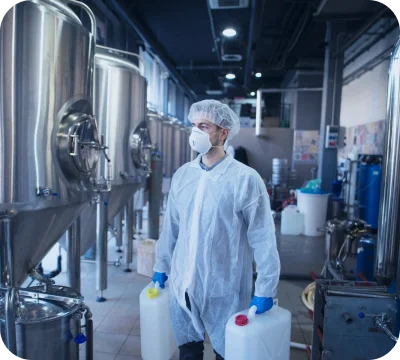
Incorrect Sanitizer Concentration

Sanitizers only work at the correct concentration. Too little means microbes may survive. Too much leaves chemical residue on food-contact surfaces. In fast-paced kitchens, solutions are often prepared quickly — without proper measurement — creating a dangerous illusion of safety.

Standardized Dilution

Chemical dilution systems that remove guesswork from preparation

Concentration Checks

Regular testing to verify sanitizer strength before use

Staff Training

Ensuring every team member can verify sanitizer effectiveness

Cleaning That Looks Complete — ButIsn't Verified

In many kitchens, cleaning is judged visually. If a surface looks clean, the job is assumed done. But grease films, food residues, and microbial contamination are often invisible to the naked eye. Without verification, kitchens may unknowingly leave critical surfaces partially cleaned.


Highest-Risk Surfaces

Cutting boards, slicers, preparation tables, food-contact surfaces, and refrigerator handles are among the most frequently underverified areas.

The Solution

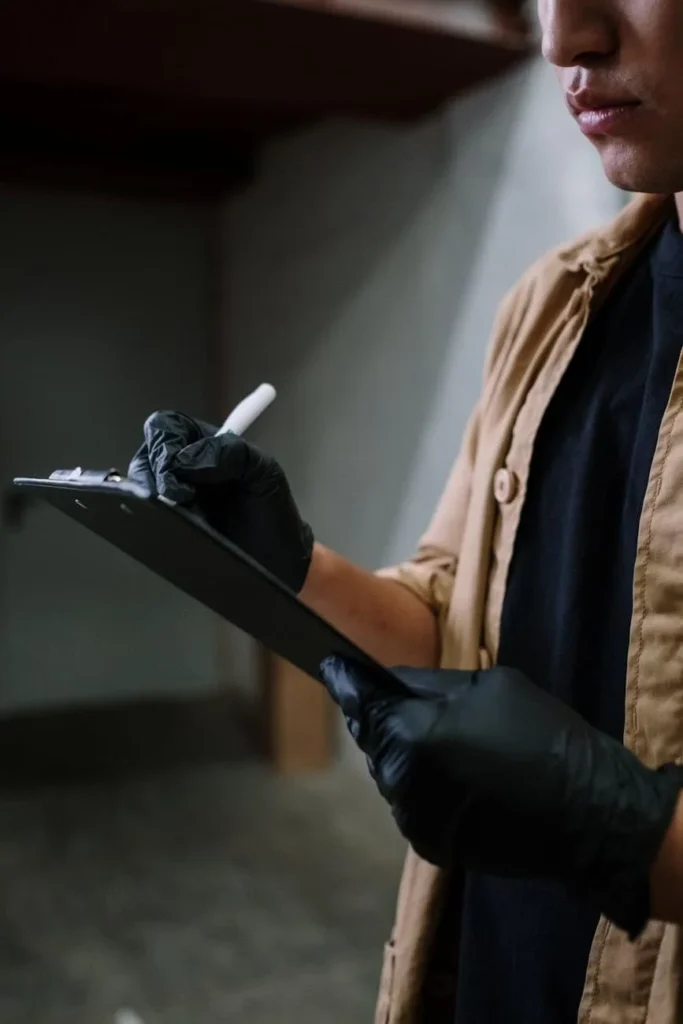
Leading restaurant organizations now rely on structured hygiene assessments and documented verification — ensuring cleaning isn’t just done, but confirmed.

Hygiene Breakdowns During Peak Service Hours

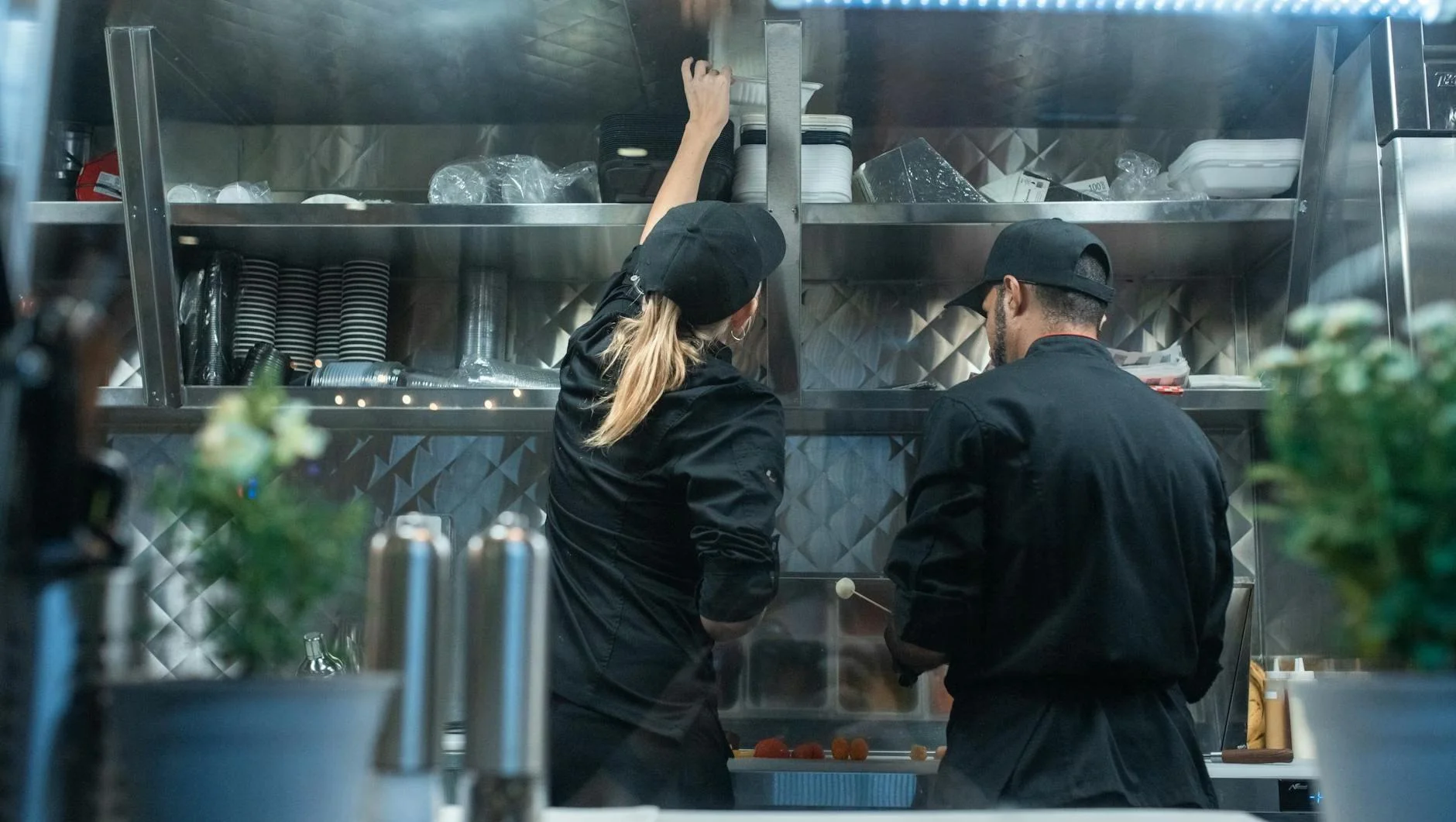
When orders pile up, speed becomes the focus — and hygiene routines get shortened or skipped. These situations rarely appear during scheduled inspections, which happen during calmer periods. But the busiest moments are exactly when hygiene risks are highest

Surface sanitization skipped between tasks

Equipment notfully cleaned between uses

Waste removal delayed during rush periods

Gloves and hand hygiene used inconsistently

That’s why many restaurant chains are shifting toward continuous hygiene monitoring, rather than relying only on periodic inspections.

Incomplete or Inaccurate Hygiene Documentation

The Paper Problem

Most kitchens maintain daily hygiene logs — but manual documentation comes with real risks: entries filled in late, incomplete records, checklists marked off without verification. On paper, everything appears compliant. In practice, tasks may not have been performed as documented.

Digital Hygiene Workflows

Many food service organizations are shifting to digital systems that record assessments with timestamps, location data, and visual evidence — making documentation more transparent and reliable.

Training That Doesn't Translate Into Behavior

Most restaurants invest in food safety training — but training alone doesn’t guarantee consistent behavior under real operational pressure. Employees may understand procedures during sessions, yet struggle to apply them consistently on the floor.

High Turnover

Constant staff changes mean training must be repeated frequently with varying effectiveness
2

Time Pressure

Peak service demands override hygiene habits even among well-trained staff

Targeted Guidance

Top chains connect training with real operational data to address specific team struggles

Why These Failures Continue to Happen

None of these failures occur because restaurants don’t care about food safety. They happen because restaurant operations are fast-moving and complex. A typical busy kitchen runs 14 to 16 hours a day, with multiple shifts and dozens of hygiene-related tasks happening constantly.
14 -

Hours Per Day

Typical kitchen operating hours requiring consistent hygiene discipline
s

Daily Tasks

Hygiene-related actions required across every shift

Recurring Gaps

The same hygiene failures observed across hundreds of kitchens
Maintaining hygiene discipline in that environment requires more than well-written SOPs or occasional audits. It requires visibility — the ability to see what’s actually happening across daily operations.

The Shift Toward Operational Hygiene Intelligence

More restaurant organizations are recognizing that hygiene management needs to evolve — moving from periodic audits and manual logs to systems that continuously monitor hygiene practices. Platforms like HygieneIQ bring together structured assessments, operational monitoring, and workforce training into one integrated system.

Multi-Location Tracking

Monitor hygiene performance across all locations in real time

Identify Recurring Gaps

Surface operational patterns that periodic audits miss

Documented Evidence

Verify cleaning tasks with timestamps and visual confirmation

Team Benchmarking

Compare performance across teams and regions to drive improvement

The Real Goal of Food Safety

“Passing an inspection isn’t the ultimate goal of restaurant hygiene. The real objective is consistency — ensuring safe practices are followed across every shift, every team, and every location.”
When organizations start measuring hygiene execution continuously rather than occasionally, the invisible gaps become visible. And once those gaps are visible, they can be addressed — because in professional kitchens, the biggest risks are rarely the obvious ones. They’re the small operational failures that quietly repeat day after day, until someone finally starts measuring them.
The Real goal
Share:
Scroll to Top