

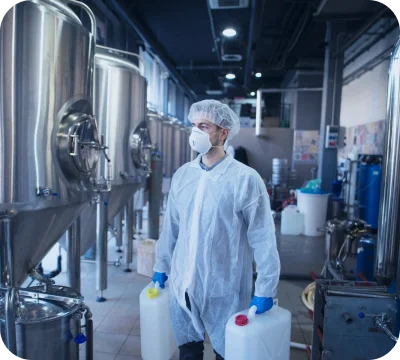
The Invisible Hygiene Gap in Most Restaurant Kitchens
Why “looking clean” isn’t the same as being safe — and what food service operations
need to do about it.
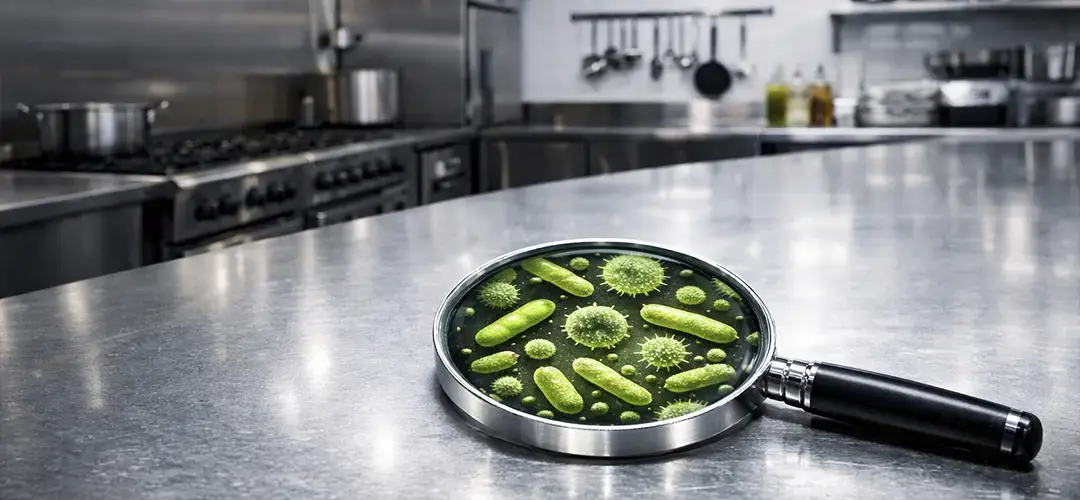
The Illusion of Clean
What We See
Counters are wiped. Floors are clean. Utensils are neatly stacked. The
kitchen looks spotless — maybe even perfect.
What's Actually Happening
Food safety isn’t governed by appearance — it’s driven by processes,
consistency, and disciplined execution. A kitchen can look spotless
and still have serious hygiene gaps.
- Sanitizer solutions may not be mixed at the correct concentration
- Cleaning steps may be incomplete
- Cross-contamination risks may exist between ingredients
- SOPs may be followed inconsistently during busy shifts
- Different teams may apply hygiene practices differently
None of these issues are immediately visible during a quick walkthrough. Yet they’re among the most common causes of hygiene failures in food service operations.
Where the Hygiene Gap Begins
The gap between looking clean and being safe doesn’t happen because teams don’t care. It emerges from the operational complexity of running a
busy food service operation. Several factors make consistent hygiene execution harder than it appears.
High Workforce Turnover
Food service has one of the highest turnover rates of any sector.
New staff join with varying training levels, and without constant
reinforcement, procedures gradually drift — one step skipped here,
another done differently there.
Pressure During Peak Hours
When orders pile up and delivery timelines are tight, teams focus on
speed. Cleaning tasks get postponed, sanitization steps shortened,
and SOPs followed less strictly — all invisible during a calm mid-
afternoon inspection.
Manual Checklists
Paper logs and manual checklists create documentation but not
reliable visibility. They’re vulnerable to incomplete entries, delayed
documentation, subjective assessments, and lack of verification.
Multi-Location Complexity
For brands operating dozens or hundreds of outlets, maintaining
consistent standards across multiple kitchens, teams, supervisors,
and regional differences becomes extremely challenging without
structured monitoring systems.
SOPs vs.Execution: The Real Problem
Most food service organisations already have strong hygiene protocols.
Designing SOPs is rarely the problem. The real challenge is ensuring those
SOPs are followed consistently — across shifts, across teams, and across
locations.
This is where the invisible hygiene gap grows. Over time, many operations go
through a silent shift that leadership often fails to notice until it’s too late.
The Silent Drift
- Defined SOPs
- Partial Execution
- Assumed Compliance
Why Inspections Alone Can't Solve It
Traditionally, hygiene monitoring has relied heavily on inspections and periodic audits. These checks are important — but they capture only brief
moments in time.
hrs
Daily Operation
A typical restaurant kitchen operates 16 hours a
day, every day of the year.
hrs
Audit Duration
A standard hygiene audit covers approximately
2 hours of observed activity.
0.0
%
Visibility Window
A two-hour audit represents less than 0.03% of
total annual operating time.
The vast majority of hygiene practices happen when nobody is formally evaluating them — meaning most operational behavior remains unseen and
unmeasured.
The Shift Toward Continuous Hygiene Visibility
Forward-thinking organisations are rethinking how hygiene should be monitored. Instead of relying solely on periodic inspections, they’re moving
toward continuous operational visibility.
Structured Assessments
Regular hygiene evaluations using defined checkpoints and clear criteria
— not just spot checks.

Evidence-Based Verification
Visual documentation that improves transparency, accountability, and
traceability across teams.
Real-Time Insights
Operational data that gives leadership a clear picture of how standards
are actually executed day-to-day.

Centralized Visibility
A unified view across all locations, enabling consistent standards
regardless of geography or team.
Hygiene management shifts from a reactive process — fixing issues after inspections — to a proactive system built around operational intelligence.
Closing the Hygiene Gap
Closing the invisible hygiene gap requires more than stronger SOPs or better cleaning chemicals. It requires visibility into execution. Organisations
that successfully maintain high hygiene standards focus on three things.
Structured Hygiene Assessments
Operational hygiene evaluated regularly
using defined checkpoints and clear
evaluation criteria — not left to chance or
memory.
Evidence-Based Monitoring
Visual documentation that improves
transparency and accountability, creating a
verifiable record of what actually
happened.
Continuous Performance Insights
Leadership teams with clear visibility into
hygiene performance trends across all
locations — not just during audits.
Platforms such as HygieneIQ are designed to support this shift by connecting structured assessments, operational monitoring, and
workforce training into a single system — enabling organisations to identify operational gaps early.
The Future of Restaurant Hygiene
Food safety is evolving. It’s no longer just a compliance exercise — it’s becoming an
operational discipline built on data, visibility, and consistent execution.
As restaurant networks expand and kitchens grow more complex, the ability to monitor hygiene performance in real time will become increasingly important. The most successful food service brands won’t simply aim to pass inspections. They’ll build systems that ensure hygiene standards are upheld every single day.
Because in professional kitchens, the real challenge isn’t making a kitchen look clean. It’s making sure it stays safe — even when nobody is watching.
As restaurant networks expand and kitchens grow more complex, the ability to monitor hygiene performance in real time will become increasingly important. The most successful food service brands won’t simply aim to pass inspections. They’ll build systems that ensure hygiene standards are upheld every single day.
Because in professional kitchens, the real challenge isn’t making a kitchen look clean. It’s making sure it stays safe — even when nobody is watching.
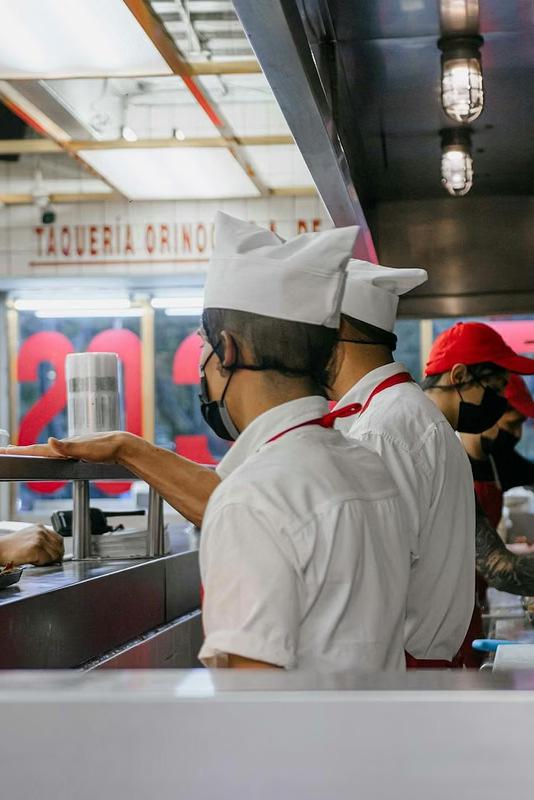
Ready to Close Your Hygiene Gap?
HygieneIQ connects structured assessments, operational monitoring, and workforce training into one platform — giving food service leaders the
visibility they need to ensure standards are upheld across every shift, every team, and every location.

Continuous Monitoring
Move beyond periodic audits to always-
on hygiene visibility.

Workforce Training
Reinforce SOPs consistently across new
and existing team members.
Operational Intelligence
Identify gaps early with real-time
performance insights across all
locations.
Share:
