

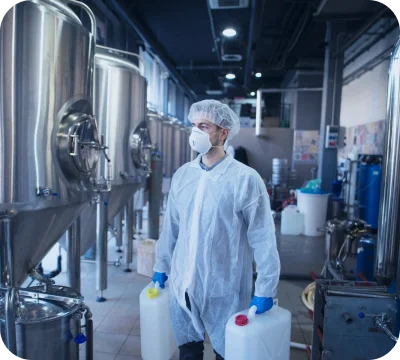
Total Water Balancing: The Critical Foundation for Make in India’s Manufacturing Success
The Hidden Crisis Behind India's Manufacturing Ambitions
With industrial water and wastewater infrastructure expenditure projected to surge from $2.87 billion in 2024 to $4.65 billion by 2030, understanding and implementing Total Water Balancing has never been more crucial for Indian manufacturers. The manufacturing sector’s growth trajectory depends fundamentally on water availability and efficient management systems.
This challenge represents both a significant risk and an enormous opportunity for forward-thinking manufacturers who recognize water as a strategic asset rather than merely an operational input.
The Scale of India's Manufacturing Water Challenge
Liters Per Vehicle
Production Costs
Cubic Meters
Per capita freshwater availability annually India is water-stressed
GDP Target
Manufacturing share by 2025 under Make in India up from current 15-17%
References: World Resources Institute. Water Risk Atlas, Automotive Industry Reports. (2025), Central Water Commission India, Make in India Dashboard. (2025).
Understanding Total Water Balancing: More Than Just Accounting
This methodology provides manufacturers with a powerful tool to quantify water consumption, identify inefficiencies, and optimize operations. At its core, water balancing operates on the principle of mass conservation: water inflows must equal water outflows plus any change in storage.
For manufacturing facilities, particularly in water-intensive sectors like automotive and heavy industries, this seemingly simple equation reveals complex patterns of consumption, waste, and opportunity that remain invisible without systematic measurement and analysis.
Components of a Total Water Balance System
Input Sources
Process Consumption
Treatment & Recovery
Output Streams
The Make in India Water Challenge: A Perfect Storm
Critical Water Stress Indicators Facing Indian Manufacturing
Depleting Resources
Regional Disparities
Infrastructure Deficit
Regulatory Pressure
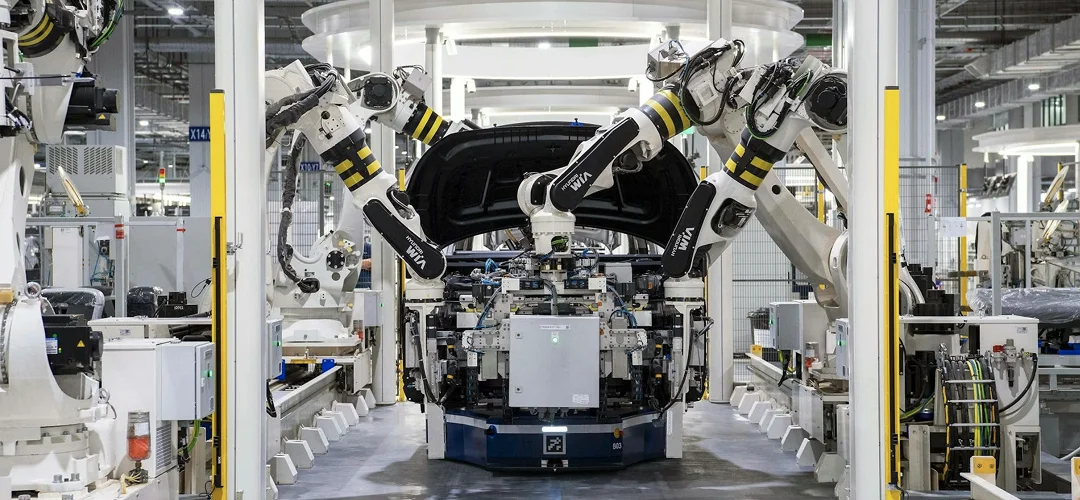
The Automobile Sector: A Case Study in Water Intensity
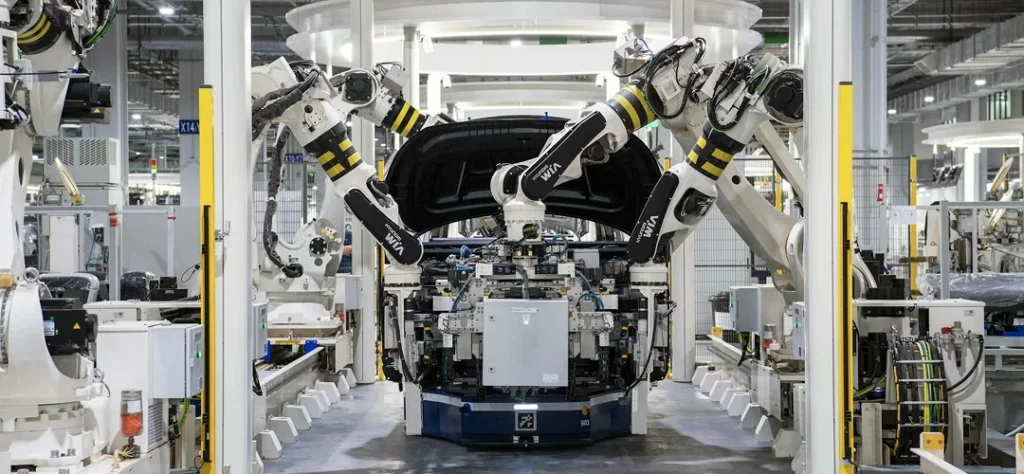
The automotive industry exemplifies the critical role of water balancing in modern manufacturing. With India emerging as a global hub for automobile production, particularly under the Make in India framework, the sector’s water footprint deserves special attention.
Major water-consuming processes include surface treatment and coating, where vehicles undergo multiple stages of cleaning, degreasing, and protective coating. Paint spray booths require enormous volumes of water for both the painting process and subsequent cleaning operations.
E-coating, a critical anti-corrosion process, involves submerging entire vehicle bodies in chemical solutions while rotating them 360 degrees. The chassis production, pre-assembly, and final assembly stages each demand substantial water for cooling machinery, cleaning components, and quality control testing.
Leading Indian Automakers Setting Water Conservation Standards
Tata Motors
Hyundai India
Toyota India
The Major Pain Points: Why Water Balancing Fails
Invisible Losses
Poor Data Infrastructure
Process-Level Blindness
Integration Challenges
Skill Gaps
Short-Term Focus
Make in India's Water Imperative: Why Balancing Matters Now
Economic Competitiveness
Regulatory Compliance
Supply Chain Resilience
ESG Requirements
Government Initiatives Supporting Water Management
National Manufacturing Mission (2025-26)
Production-Linked Incentive Scheme
AMRUT 2.0 Water Infrastructure
State Industrial Policies
Implementing Effective Water Balancing: Your Roadmap to Success
Phase 1: Assessment and Baseline
Phase 2: Technology Integration
Phase 3: Process Optimization
Phase 4: Continuous Improvement
The Path Forward: Water Balancing as Strategic Imperative
Total Water Balancing represents far more than environmental responsibility or regulatory compliance. It constitutes a strategic imperative for manufacturers operating in India’s water-stressed landscape. As Make in India enters its second decade, the next phase of growth demands sophisticated resource management.
The projected growth of India’s manufacturing sector from €1.41 trillion in 2024 to €2.98 trillion by 2035, representing a CAGR of 7.04 percent, cannot materialize without addressing water constraints. Each manufacturing facility must implement comprehensive water balancing systems to ensure operational viability and competitive advantage.
A gallon saved in Michigan does not have the same environmental or social impact as a gallon saved in Mumbai. It’s where a company is saving water that is the critical question.
For B2B manufacturers, particularly in water-intensive sectors like automobiles, the message is clear: Total Water Balancing is not a luxury or fiuture consideration but an immediate necessity. The success of Make in India and individual company competitiveness all depend on how effectively we manage every drop of this precious resource.
References: Water treatment technology reports; IoT water management systems studies; India Brand Equity Foundation (IBEF) manufacturing sector projections (2024-2035); CII National Awards for water management; World Bank India water stress analysis
